
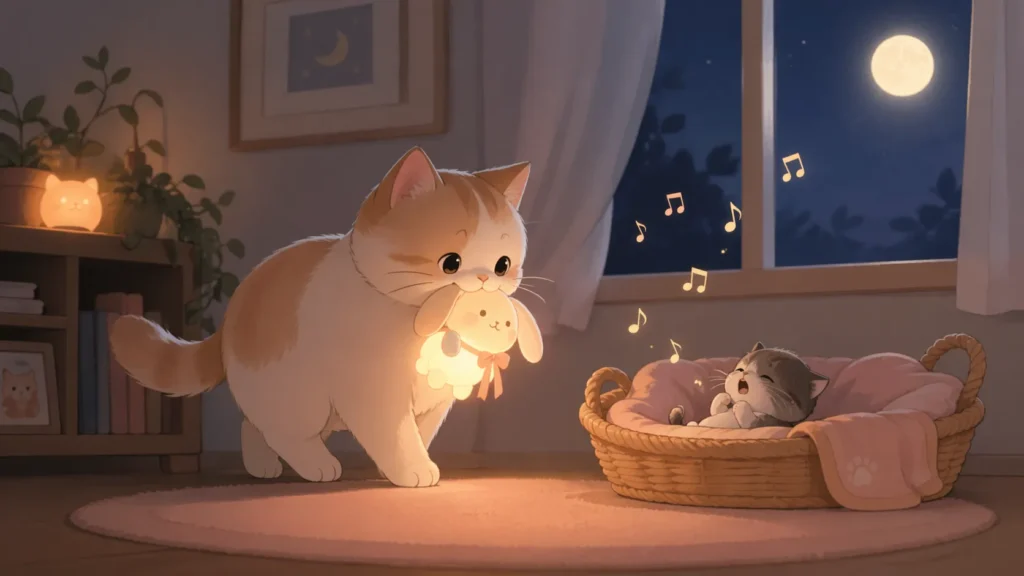
If you’ve ever been sitting quietly at home when suddenly your cat walks in carrying a toy and crying like something is terribly wrong, you’re not alone. This behavior can feel dramatic, confusing, and sometimes even a little concerning. One moment your cat is calm, and the next, they’re pacing around with a toy in their mouth, vocalizing like they’ve got an urgent announcement to make. Naturally, your first instinct might be to wonder if something is wrong.
The truth is, this behavior is surprisingly common among cats, and in most cases, it’s completely normal. According to pet behavior insights, this combination of carrying and vocalizing is often tied to instinct and communication rather than distress . Cats are not random creatures; they rarely do things without a purpose, even if that purpose isn’t immediately obvious to us.
What makes it confusing is the emotional tone. The cry can sound almost mournful, which leads many owners to assume something negative is happening. But cats don’t express emotions the same way humans do. That “sad” sound might actually mean excitement, pride, or even a simple request for attention.
The Hidden Meaning Behind The Behavior
At its core, this behavior is your cat trying to communicate something important. Cats rely heavily on body language and vocalization to express their needs, and carrying a toy while crying is a multi-layered signal. It can mean “play with me,” “look what I caught,” or even “I need comfort.”
In some cases, it’s also a sign of trust. Cats don’t just share their prized “possessions” with anyone. If your cat consistently brings you toys, it may see you as part of its inner circle. That’s a pretty big deal in the feline world.
So while it may look odd or even dramatic, this behavior is actually a fascinating window into your cat’s instincts, emotions, and social bond with you.
The Link Between Hunting Instincts And Toy Carrying
Cats As Natural Predators
Even if your cat has never stepped outside, deep down, it’s still a hunter. Domestic cats retain strong predatory instincts that drive many of their daily behaviors. Chasing laser pointers, pouncing on shadows, and yes; carrying toys; are all part of this ingrained survival system.
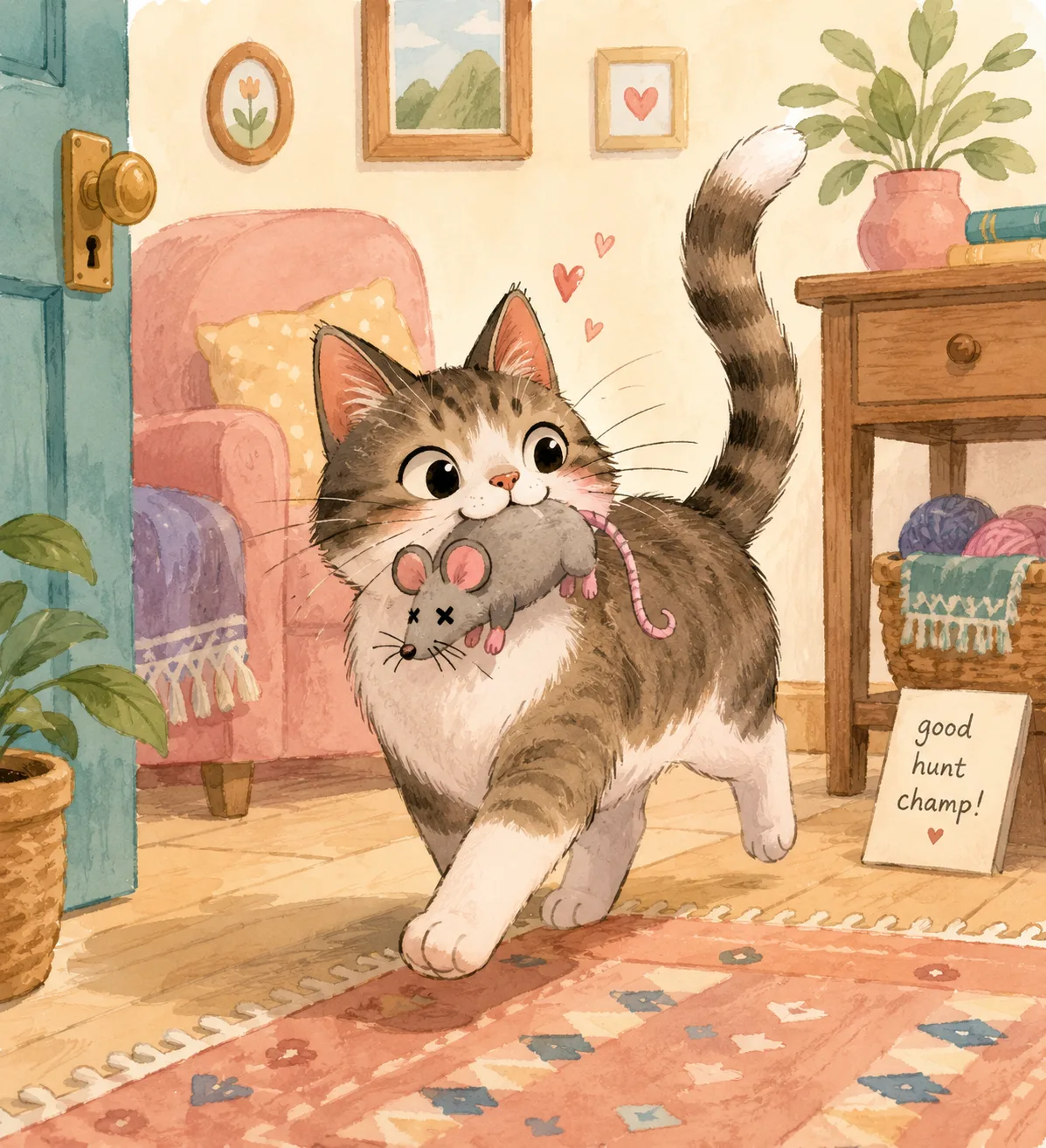
When your cat picks up a toy and carries it around, it’s essentially reenacting a hunting sequence. In the wild, cats would stalk, capture, and then transport their prey to a safe place. That same instinct plays out in your living room, just with a plush mouse instead of a real one.
Behavior experts explain that toys act as substitutes for prey, allowing cats to fulfill their hunting needs in a safe environment . Without this outlet, cats can become frustrated, which may lead to more intense or frequent vocalization.
How Toys Replace Real Prey
Think of your cat’s toy as a stand-in for something it would normally hunt. When your cat grabs it, carries it, and even “announces” it with a cry, it’s going through a full hunting cycle. This includes:
- Stalking (watching or chasing the toy)
- Capturing (pouncing or biting)
- Carrying (transporting the “prey”)
- Displaying (bringing it to you)
That final step; bringing it to you; is especially interesting. Some experts believe cats do this as a way of sharing their “catch” or even teaching you how to hunt . It sounds funny, but from your cat’s perspective, you might just be a very large, slightly clueless kitten.
How Vocalization Fits Into Your Cat’s Natural Communication
Types Of Meows And What They Mean
Cats don’t just meow randomly. Each sound has a purpose, and when paired with a behavior like carrying a toy, it becomes even more meaningful. The type of cry your cat makes can give you clues about what it’s trying to say.
For example, playful meows tend to be lighter and more energetic, often paired with relaxed body language. On the other hand, drawn-out or louder cries might signal frustration or a stronger need for attention .
When Crying Is A Message
When your cat vocalizes while carrying a toy, it’s essentially amplifying its message. It’s not just showing you something; it’s making sure you notice. This is especially common in cats that are highly social or used to interacting frequently with their owners.
In many cases, the cry translates to something like: “Look at this! Let’s do something together.” It’s an invitation, not a complaint. However, context matters. If the crying seems excessive or distressed, it could point to boredom, loneliness, or unmet needs.
Signs Your Cat Is Treating The Toy Like Prey Or A Kitten
Prey Behavior Indicators
When your cat is in “hunter mode,” you’ll notice specific behaviors. It may crouch low, move slowly, and suddenly pounce on the toy. After catching it, your cat might bite it repeatedly or shake it as if it’s subduing prey.
Carrying the toy around afterward is part of this sequence. It’s similar to how a wild cat would move its catch to a safer location. The vocalization that follows can be seen as an announcement of success; a kind of victory call.
Must Explore: Why Does Your Cat Keep Rubbing Her Face On You And What It Signals
Maternal Instinct Signs
Interestingly, not all toy-carrying behavior is about hunting. Some cats, especially females, may treat toys like kittens. This is tied to maternal instincts that remain even after spaying.
In these cases, your cat may gently carry the toy and make softer, repetitive sounds. Experts note that this can mimic how mother cats carry and call to their kittens . The toy becomes a surrogate “baby,” and the behavior reflects nurturing rather than predation.
Emotional Triggers That Can Intensify This Habit
Loneliness And Attachment
Cats may have a reputation for being independent, but many of them form strong emotional bonds with their humans. When they feel lonely or want attention, they often turn to behaviors that guarantee a response; and carrying a toy while crying is very effective.
If your cat tends to do this when you’re in another room or after you’ve been away, it’s likely seeking connection. The toy becomes a tool to bridge that gap and bring you into interaction.
Comfort Objects And Security
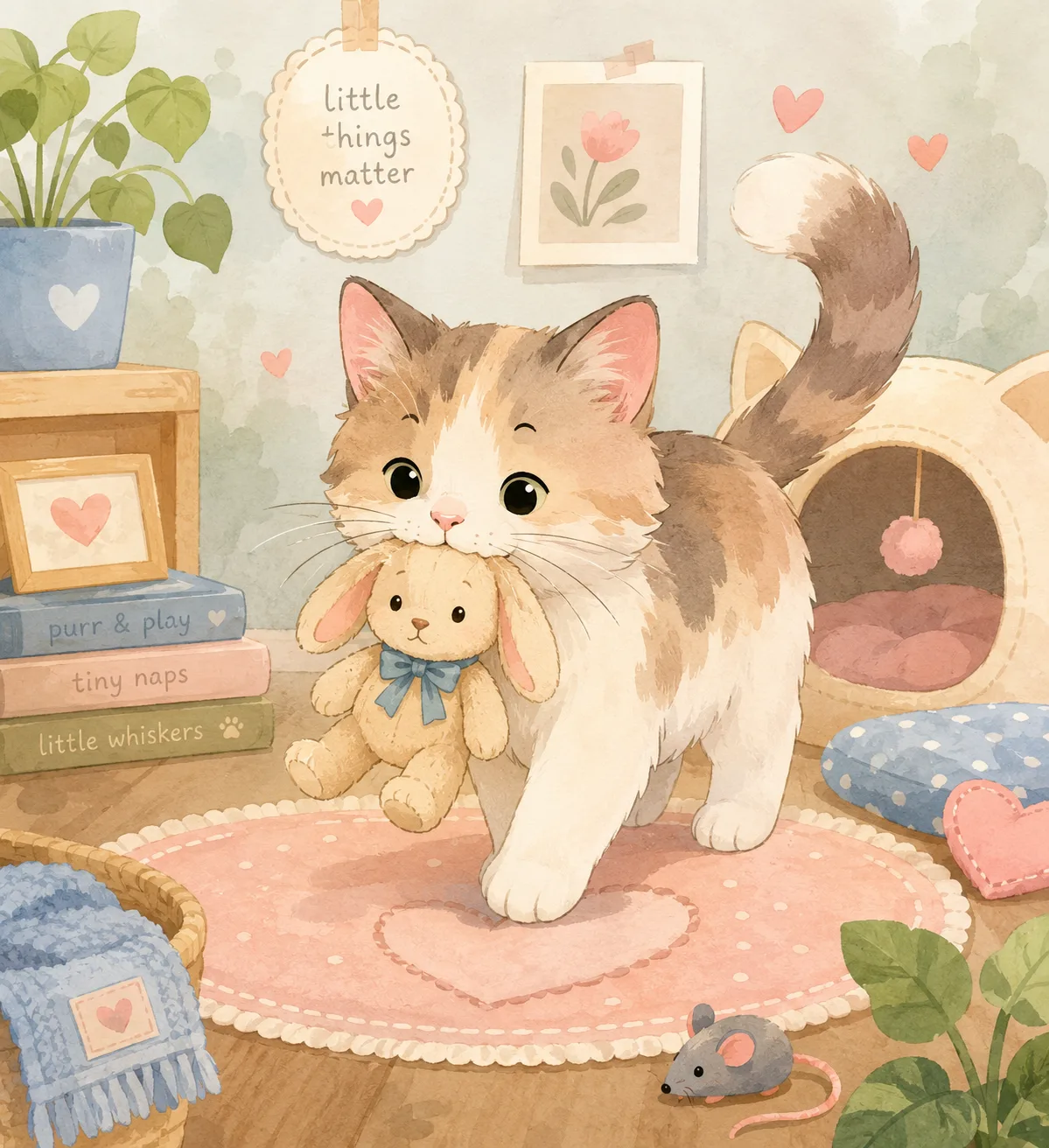
Some cats develop strong attachments to specific toys, treating them almost like comfort objects. Carrying these items around can be soothing, especially in unfamiliar or stressful situations.
Behavior insights suggest that this can act as a form of self-comfort, similar to how a child might cling to a favorite blanket . The accompanying vocalization may not be distress; it might simply be part of the ritual.
When This Behavior Signals Boredom Or Stress
Lack Of Stimulation
Cats need both mental and physical stimulation to stay balanced. Without enough playtime or environmental enrichment, they can become bored; and boredom often leads to attention-seeking behaviors.
Carrying a toy and crying can be your cat’s way of saying, “I need something to do.” If this behavior becomes frequent, it’s a sign that your cat’s needs aren’t fully being met.
Stress-Related Vocalization
Stress can also play a role. Changes in the household, lack of routine, or even subtle environmental factors can make your cat feel uneasy. In these cases, the behavior might become more intense or persistent.
The key is to look at the bigger picture. Is your cat eating normally? Sleeping well? Acting like itself otherwise? If not, the vocalization may be part of a broader issue.
Simple Ways To Respond Without Reinforcing It
Healthy Play Routines
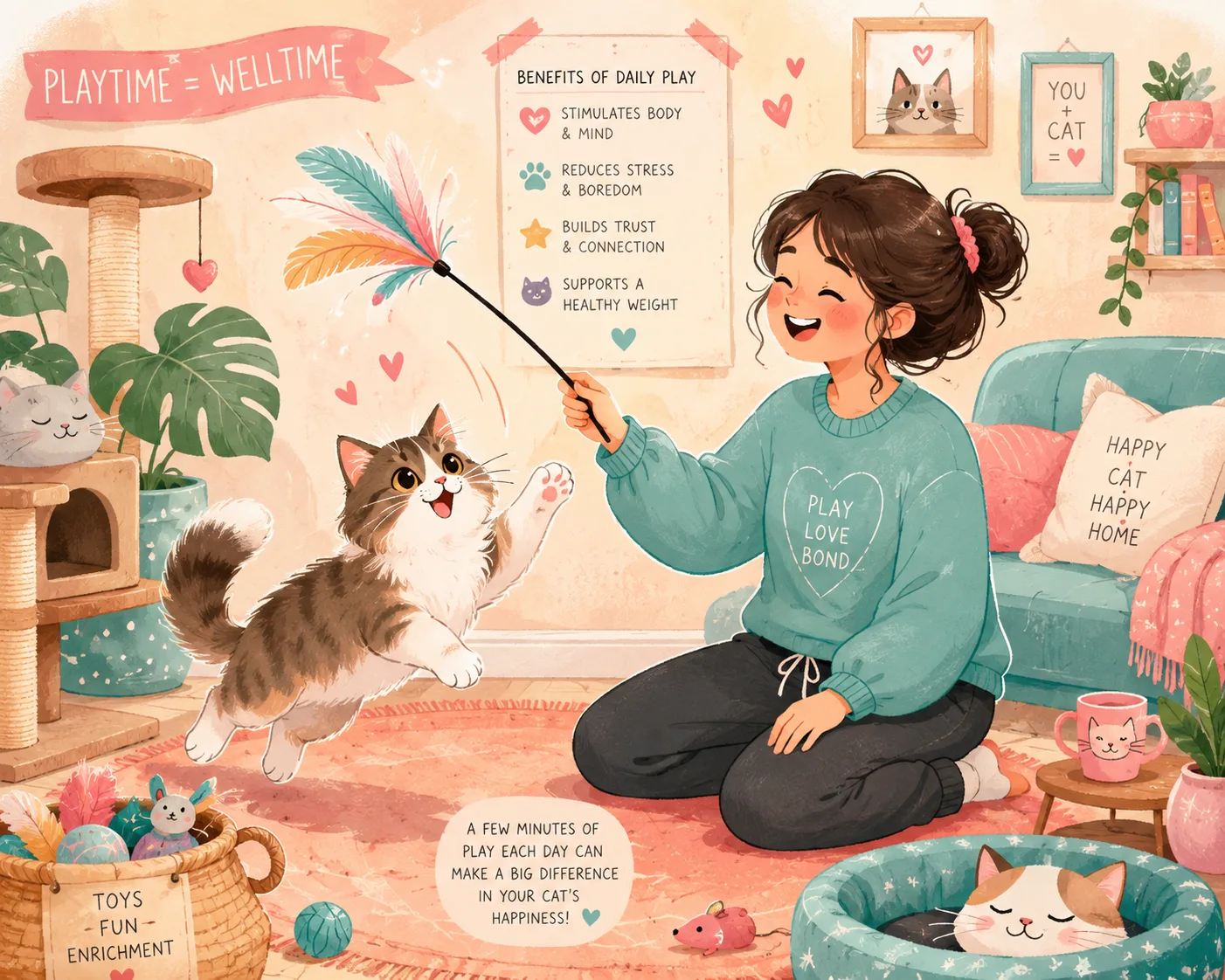
One of the best ways to handle this behavior is to channel it into structured play. Set aside time each day to engage your cat with interactive toys that mimic prey, like feather wands or moving objects.
This helps your cat complete the full hunting cycle in a satisfying way, reducing the need for attention-seeking cries. Regular play also strengthens your bond and keeps your cat mentally sharp.
What To Avoid Doing
It’s important not to unintentionally reinforce the behavior. If you respond every single time your cat cries with a toy, it may learn that this is the best way to get your attention.
Instead, try to:
- Reward calm behavior with attention
- Initiate play on your schedule
- Provide independent toys for solo play
Balance is key. You want to meet your cat’s needs without encouraging excessive vocalization.
When It Might Be Worth Checking With A Vet
Warning Signs To Watch
While this behavior is usually harmless, there are situations where it might indicate a deeper issue. Pay attention if you notice:
- Sudden changes in frequency or intensity
- Signs of distress or discomfort
- Changes in appetite or energy levels
Behavioral Changes That Matter
Cats are creatures of habit. Any sudden shift in behavior should be taken seriously. If your cat starts crying more than usual or seems unsettled, it’s worth consulting a veterinarian.
Sometimes, what looks like a behavioral quirk can actually be linked to underlying health issues. It’s always better to be safe and get a professional opinion.

Conclusion
When your cat carries around a toy and cries, it’s not being strange; it’s being a cat. This behavior is a rich mix of instinct, communication, and emotion. From hunting simulations to maternal instincts and even simple boredom, there are many layers behind this seemingly odd habit.
The key is to observe your cat closely and understand the context. Is it playful? Seeking attention? Acting stressed? Once you decode the message, you’ll be better equipped to respond in a way that supports your cat’s well-being without reinforcing unwanted habits.
At the end of the day, this behavior is just another reminder of how fascinating and complex cats truly are.
FAQs
1. Why does my cat cry louder at night with a toy?
Cats are naturally more active at night. The increased energy can trigger hunting behavior, leading to louder vocalizations.
2. Should I ignore my cat when it does this?
Not always. If it’s occasional, engage in play. If it’s excessive, avoid reinforcing it every time.
3. Is this behavior more common in certain breeds?
Some breeds are more vocal, but this behavior can appear in any cat regardless of breed.
4. Can this mean my cat is unhappy?
Sometimes, especially if paired with other signs like hiding or reduced appetite.
5. Do kittens do this too?
Yes, but it’s often less pronounced. The behavior tends to become more noticeable as cats mature.