

If you’ve ever wondered why your dog keeps choosing the carpet instead of the floor, you’re not alone. Carpets are practically irresistible to many dogs, and it’s not random; it’s rooted in instinct and comfort. Think about it: carpets are soft, warm, and absorbent. To a dog, they can feel surprisingly similar to grass or soil, which are natural bathroom surfaces. This confusion is especially common in puppies or dogs that haven’t been fully house-trained yet.
But here’s the twist; carpets don’t just absorb liquid; they trap scent. That’s where the real problem begins. Once a dog urinates on a carpet, even if you clean it, microscopic scent traces can remain embedded deep within the fibers. According to veterinary insights, dog urine contains odor-causing compounds and bacteria that produce ammonia, which creates that strong lingering smell.
This combination; comfort plus scent; turns your carpet into what your dog perceives as a “safe bathroom zone.” And once that mental association forms, it becomes incredibly hard to break. The dog isn’t being stubborn; it’s simply repeating what feels natural and familiar.
Scent Memory And Habit Formation
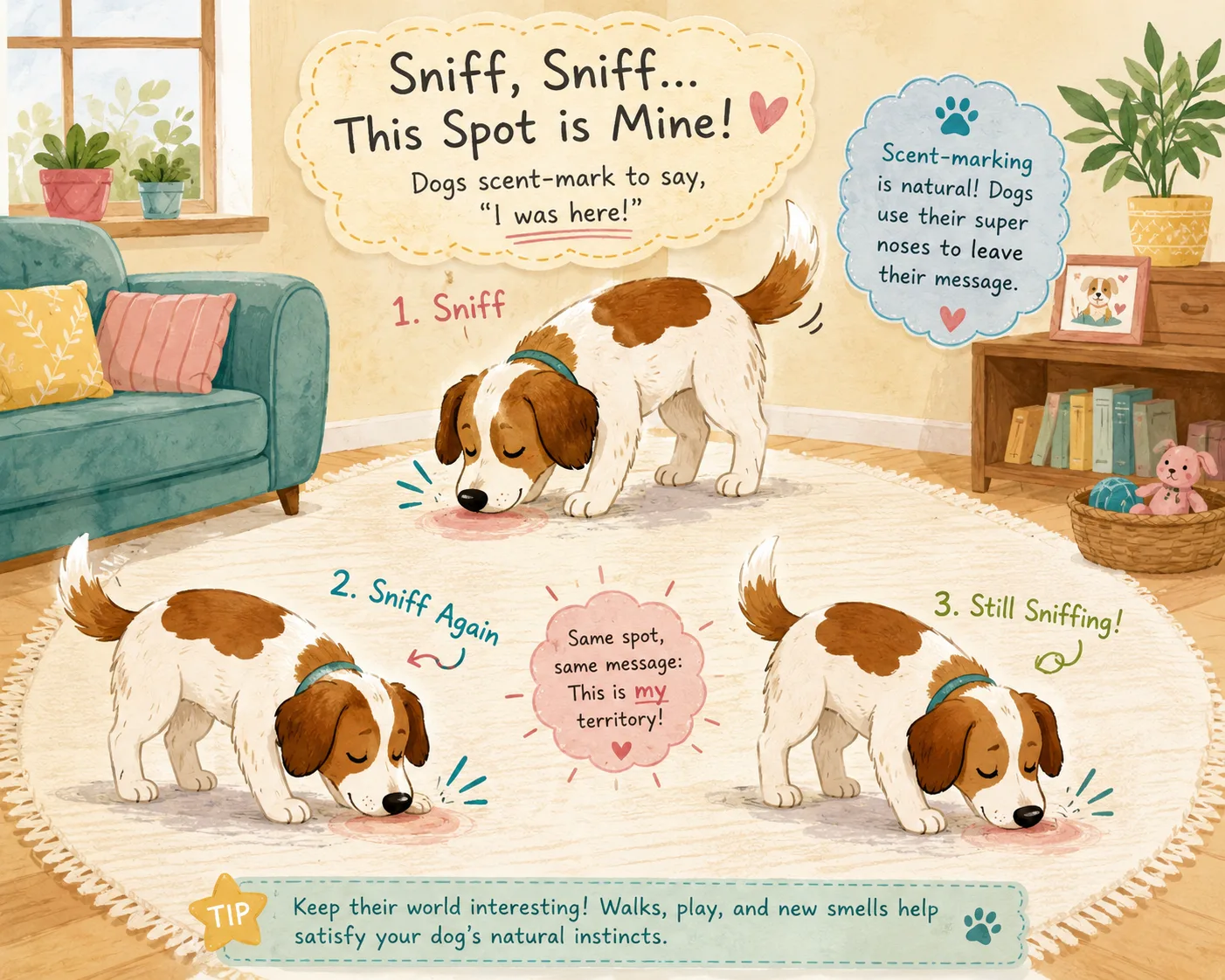
Dogs experience the world primarily through smell. While humans rely heavily on sight, dogs rely on scent memory to guide behavior. When your dog pees on a carpet once, that smell becomes a powerful marker in their brain. It’s like leaving a sticky note that says, “This is the spot.”
Research shows that urine contains pheromones; chemical signals that communicate information between animals. These pheromones act like invisible signposts, encouraging your dog to return to the same location again and again. Over time, this turns into a habit loop: smell → pee → reinforce the smell → repeat.
This is why a single accident can spiral into a recurring problem. It’s not just about cleaning the visible mess; it’s about breaking the scent-based habit. If the smell lingers; even faintly; your dog’s brain keeps getting the same message.
The Role Of Scent Reinforcement In Repeat Accidents
How Pheromones Trigger Repeat Behavior
Let’s get a bit deeper into the science. Dog urine isn’t just waste; it’s communication. When your dog urinates, it releases pheromones that signal territory, identity, and emotional state. These pheromones are incredibly potent, even if you can’t smell them.
According to pet care experts, these scent markers actively encourage dogs to urinate in the same location again. It’s essentially a built-in feedback loop. Your dog smells the pheromone → interprets it as a designated bathroom → repeats the behavior.
This is why carpets become “hotspots.” Once the scent is embedded, the area becomes a permanent target unless properly treated. It’s similar to how a dog might repeatedly mark the same tree outside; it’s all about reinforcing territory.
Why Incomplete Cleaning Makes Things Worse
Here’s where many pet owners unknowingly make things worse. Standard household cleaners may remove the stain, but they don’t break down the pheromones. In fact, some cleaning products can even amplify the smell from your dog’s perspective.
Experts emphasize that only enzymatic cleaners can fully neutralize the proteins and compounds in urine. Without this, you’re essentially leaving behind an invisible invitation for your dog to return.
So if your dog keeps peeing in the same spot, it’s not because they’re ignoring training; it’s because the scent is still there, quietly guiding them back.
How Routine And Timing Affect House Training
The Importance Of Consistent Schedules
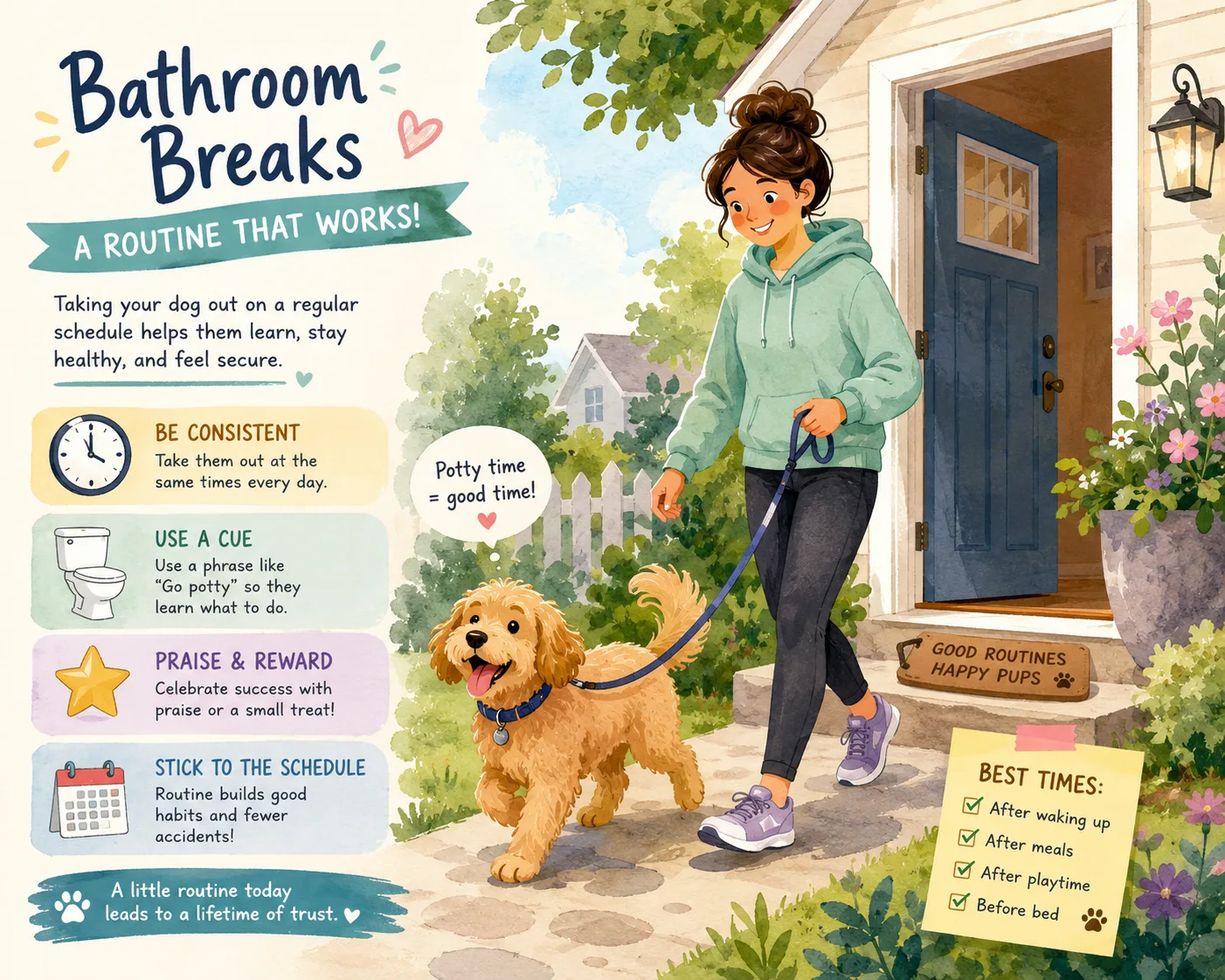
Dogs thrive on routine. If their schedule is unpredictable, their bathroom habits will be too. Imagine trying to hold your bladder without knowing when your next bathroom break will be; that’s exactly how your dog feels when routines are inconsistent.
Behavior experts highlight that changes in routine are one of the most common reasons dogs start peeing indoors. Even small disruptions; like feeding times shifting or fewer walks; can throw off their internal clock.
A consistent schedule trains your dog’s body as much as their behavior. Over time, their system adapts, and they naturally expect to go outside at certain times.
Key Times Dogs Need Bathroom Breaks
Timing matters more than you might think. Dogs typically need to relieve themselves at predictable moments throughout the day. Missing these windows increases the chance of accidents indoors.
Here are the most critical times:
- First thing in the morning
- After meals
- After naps
- Before bedtime
- After play sessions
When you align your schedule with these natural triggers, you drastically reduce the risk of accidents. It’s not about strict control; it’s about working with your dog’s biology.
Cleaning Methods That Fully Eliminate Odor Cues
Enzymatic Cleaners Explained
If there’s one game-changer in solving this problem, it’s enzymatic cleaners. Unlike regular cleaning products, these cleaners don’t just mask odors; they break down the actual compounds in urine.
These cleaners contain enzymes that target proteins, bacteria, and pheromones, effectively eliminating the scent at its source. Think of it like dismantling the entire “message” your dog is detecting.
Without this step, no amount of training will fully work, because the scent will keep pulling your dog back.
Step-by-Step Deep Cleaning Process
Cleaning properly isn’t complicated, but it does require attention to detail. Skipping steps can leave behind residual odor.
Here’s a reliable process:
- Blot the area immediately; don’t rub, as this spreads the urine
- Apply a pet-safe cleaning solution
- Let it sit for the recommended time
- Blot again to remove moisture
- Finish with an enzymatic cleaner
This method ensures the scent is removed both on the surface and deep within the carpet fibers.
Addressing Anxiety Or Submissive Urination
Recognizing Emotional Triggers
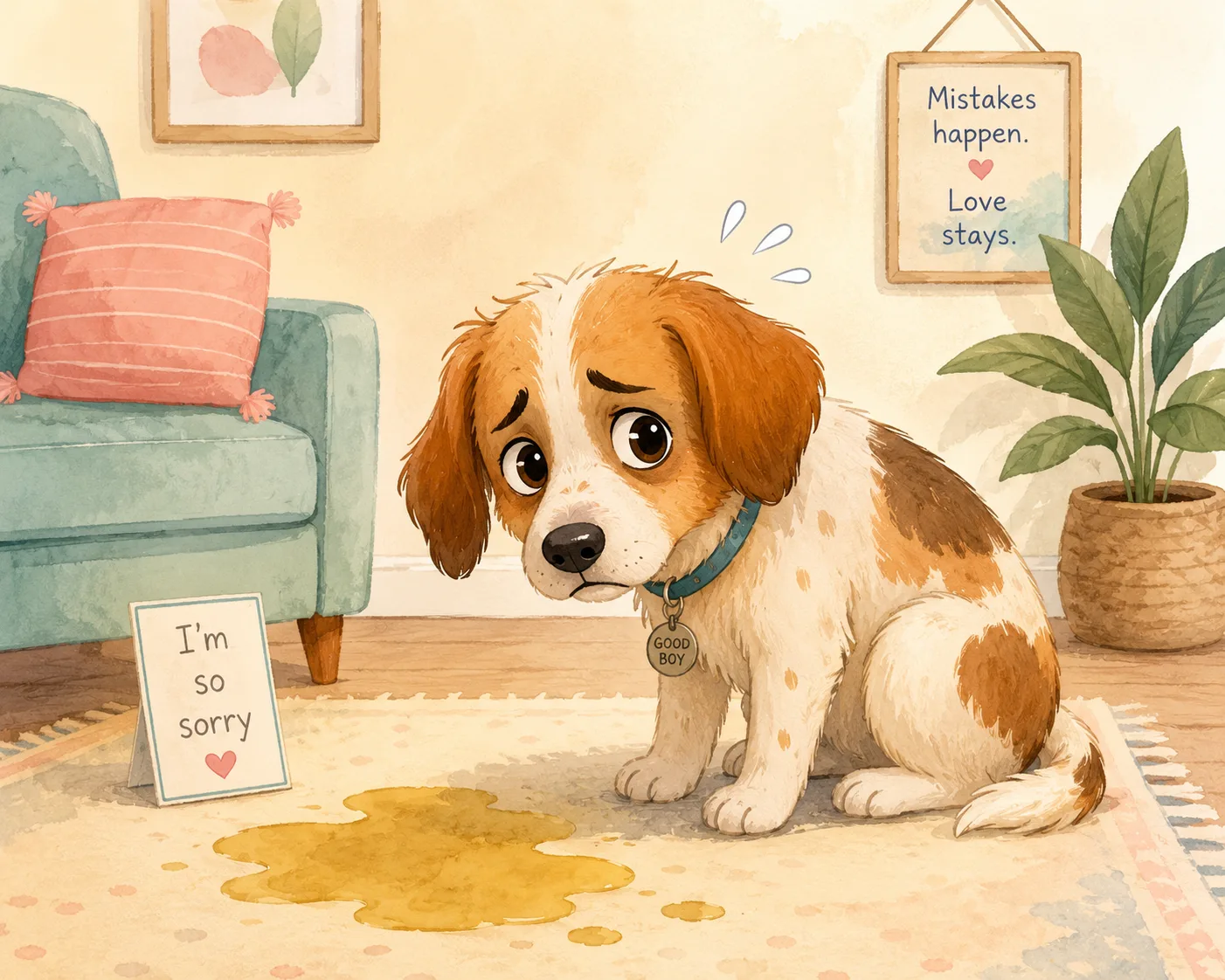
Not all accidents are about training. Sometimes, your dog is reacting emotionally. Anxiety, fear, excitement, or even greeting behavior can trigger involuntary urination.
Experts note that stress and environmental changes; like new people, loud noises, or moving homes; can lead to indoor accidents. This type of urination isn’t intentional, which means punishment will only make things worse.
Building Confidence In Your Dog
Helping your dog feel secure is key. This might mean creating a calm environment, avoiding overwhelming situations, or gradually exposing them to triggers in a controlled way.
Positive reinforcement plays a huge role here. Reward calm behavior, encourage confidence, and avoid harsh corrections. Over time, your dog will associate safety; not stress; with your home.
Training Adjustments That Improve Reliability
Positive Reinforcement Techniques
Dogs learn best through rewards, not punishment. Every time your dog goes to the bathroom outside, reward them immediately. This creates a clear connection between the action and the reward.
Training isn’t about forcing behavior; it’s about shaping it. Consistency, timing, and patience are everything.
Supervision And Crate Training
Supervision prevents accidents before they happen. If you can’t watch your dog, limit their access to carpeted areas.
Crate training can also be effective because dogs naturally avoid soiling their sleeping space. When used correctly, it reinforces bladder control and routine.
Preventing Accidents When You’re Not Home
Managing Your Dog’s Environment
When you’re away, your dog doesn’t have guidance. That’s when accidents are most likely to happen. Limiting access to problem areas can prevent setbacks.
Experts suggest restricting access to carpets or soft furnishings until the behavior is fully under control.
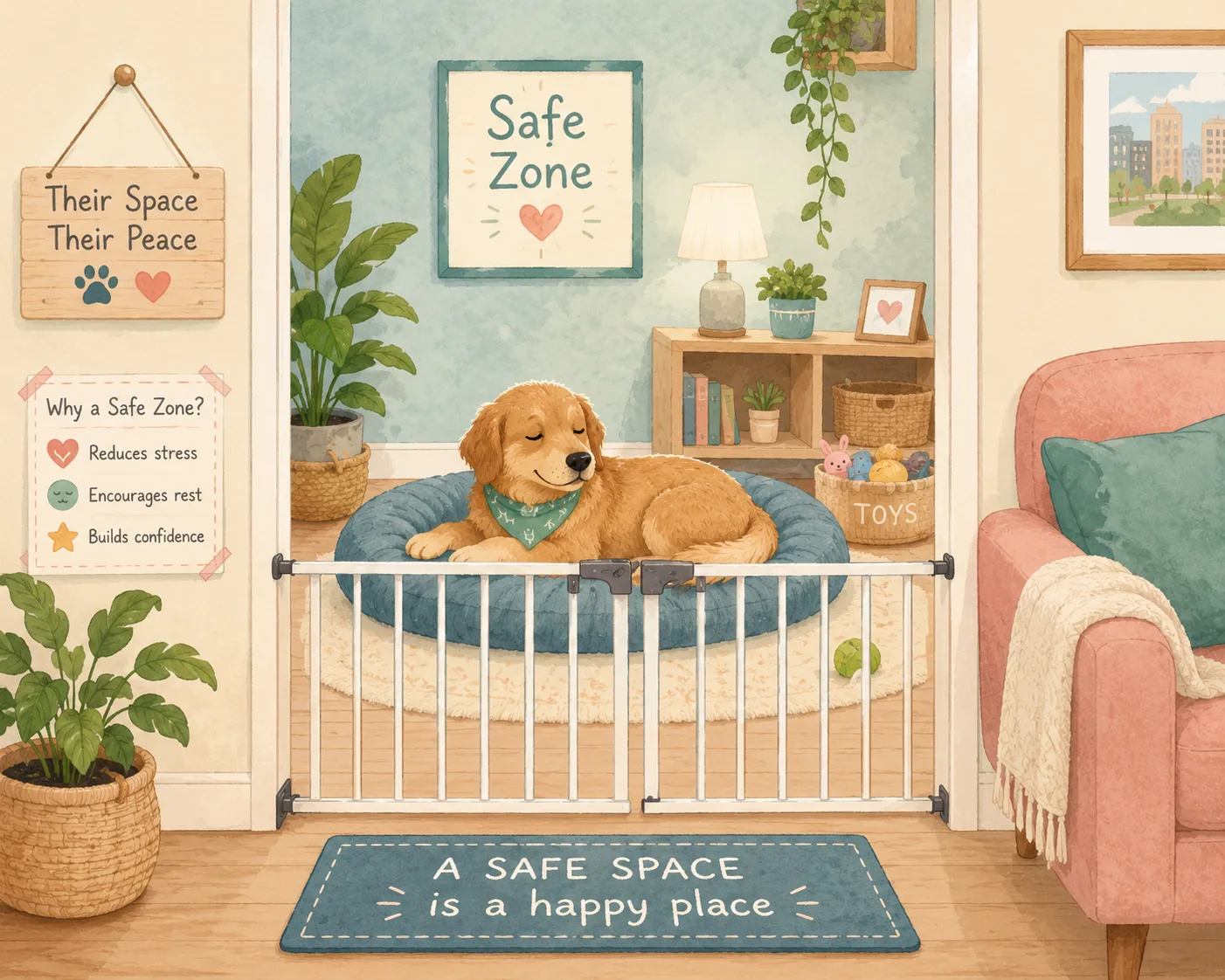
Using Barriers And Safe Zones
Baby gates, closed doors, or designated areas can help manage your dog’s environment. Think of it as setting your dog up for success rather than giving them opportunities to fail.
Building Consistent Bathroom Habits
Creating A Long-Term Routine
Consistency is the foundation of success. Over time, your dog will internalize the routine and naturally follow it. This doesn’t happen overnight; but it does happen with persistence.
Tracking Progress And Adjusting Strategies
Pay attention to patterns. When do accidents happen? What triggers them? Adjust your strategy based on real observations.
Training isn’t static; it evolves as your dog learns.
Discover More: How Do You Stop A Dog From Whining In Crate Without Stress
Conclusion
Stopping a dog from peeing on the carpet isn’t about a single fix; it’s about understanding behavior, eliminating scent cues, and building consistent habits. When you combine proper cleaning, structured routines, and positive reinforcement, the problem becomes manageable and eventually disappears. Your dog isn’t trying to frustrate you; they’re simply responding to instinct, environment, and training. Once you address those factors, everything starts to fall into place.
FAQs
1. Why does my dog keep peeing in the same spot?
Because of lingering scent markers and pheromones that signal it’s a “safe” place to go.
2. Will vinegar remove dog urine smell completely?
No, vinegar may reduce odor but won’t eliminate pheromones like enzymatic cleaners do.
3. How long does it take to retrain a dog?
It depends, but with consistency, most dogs improve within a few weeks to a few months.
4. Should I punish my dog for accidents?
No, punishment can increase anxiety and make the problem worse.
5. Can anxiety cause indoor urination?
Yes, stress and emotional triggers are common causes of indoor accidents.