
Keeping a 3 gallon aquarium is appealing because of its compact size and affordable setup, especially if you’re short on space or just starting in aquatics. But here’s the truth most hobbyists won’t sugarcoat: a 3-gallon tank is extremely limited; both in what it can stably support and in what aquatic life you should ethically keep.
In this comprehensive article, you’ll learn the real limitations of tiny aquariums, which species truly adapt well to such tight spaces, how to balance bioload and water quality, important compatibility considerations, common overstocking mistakes to avoid, and how to create the most stable environment possible in limited volume. By the end, you’ll be making informed choices that benefit your tank’s inhabitants instead of harming them out of ignorance or impulse.
Introduction; Tiny Tank, Big Responsibility
When you picture a beautiful aquarium, you might imagine vibrant fish gliding around lush plants. But in tiny setups; especially something as small as three gallons; that vision becomes very limited. That’s because small volume tanks are far less stable than larger ones: temperature fluctuates quickly, waste products build up fast, and there’s hardly any swimming space for most fish.
The appeal of a “desktop aquarium” is real, but what’s even more important is doing right by the animal you plan to keep. Responsible aquarists agree that larger is almost always better. Still, if a 3-gallon tank is what you have, you deserve to know exactly what works; and what doesn’t.
Understanding the Limitations of a 3 Gallon Tank
The first step in setting up any aquarium is understanding its limitations. In a 3 gallon tank, you’re working with a tiny amount of water; roughly the size of a small suitcase; which affects everything from water chemistry to the comfort of the inhabitants.
Surface Area, Water Volume, and Stability
Smaller tanks have a higher surface area-to-volume ratio than larger tanks. While surface area helps with oxygen exchange, it also means:
- Rapid temperature changes due to room fluctuations
- Fast swings in pH and other water chemistry values
- Less margin for error with ammonia and nitrite spikes
Because there’s so little water, even a small amount of waste can reach toxic levels extremely fast. That’s why fish that can tolerate unstable conditions (like hardy Betta species) are often mentioned as possible candidates; but even then, they require rigorous care.
Bioload: What You Need to Know
“Bioload” refers to the amount of waste produced by the fish and other organisms in your aquarium. In tiny tanks, bioload is a huge deal. Even one fish can produce enough waste to harm itself if the aquarium isn’t managed carefully.
The Nitrogen Cycle in Small Aquariums
To maintain a healthy aquarium, beneficial bacteria must establish themselves to break down toxic waste like ammonia and nitrite into less harmful nitrate. This process is known as the nitrogen cycle, and it’s essential before you add any animal. A tank must be fully cycled before inhabitants arrive; especially in nano setups where any waste spike can be deadly.
The smaller the tank, the faster these parameters can shift, which means daily monitoring may be required just to keep things safe.
True Nano Species vs. Tiny Myths
Here’s where things get interesting. Popular online guides sometimes list nano fish as suitable inhabitants for tiny tanks, but not all small fish are actually suitable for a 3 gallon setup.
Species Commonly Suggested (with Caveats)
While a few guides list options like guppies, neon tetras, or otocinclus for very small tanks, these recommendations often ignore critical needs like schooling behavior and oxygen requirements.
There’s also a widespread myth of “one inch of fish per gallon”; but this can be dangerously oversimplified, especially when:
- Fish produce varying amounts of waste
- Some species need room to swim
- Schooling fish require groups, not single individuals
Best Fish (and Invertebrates) for 3 Gallon Tanks
So what actually can you put in a 3 gallon tank? Let’s break it down.
1. Betta Fish (Betta splendens)
Bettas are the most commonly recommended fish for tanks this size because they’re:
- Solitary and territorial
- Hardy with proper care
- Able to tolerate slow water flow
That said, 3 gallons is the absolute minimum for a Betta; most keepers recommend at least 5 gallons for their welfare. If you keep a Betta in a 3 gallon, it must have impeccable water quality and frequent maintenance.
2. Endler’s Livebearers
A few guides mention tiny livebearers like Endler’s, which grow only about an inch long and can sometimes work in very small groups, but only if the tank is carefully maintained and heavily planted.
3. Nerite Snails and Dwarf Shrimp
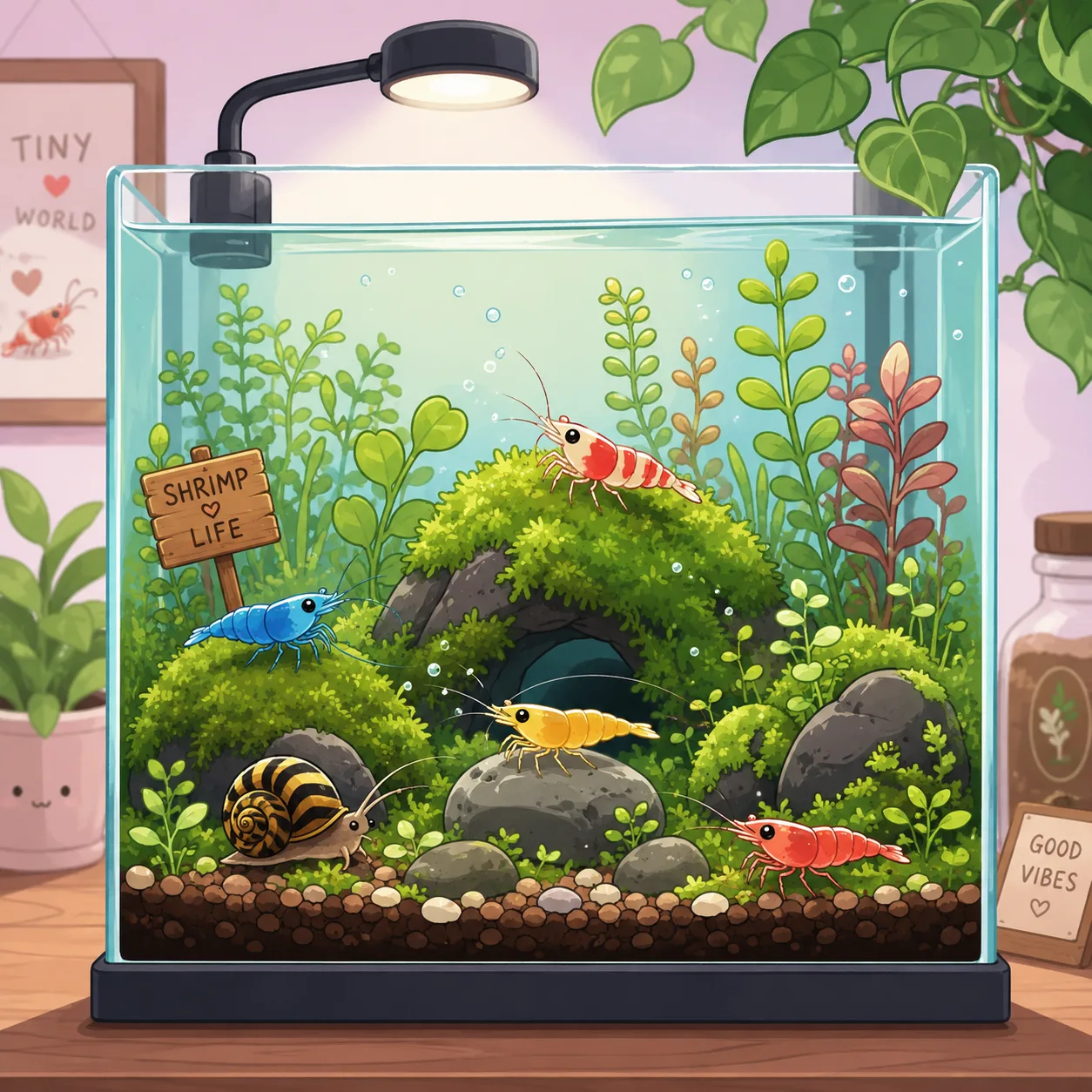
These aren’t fish, but they are some of the best inhabitants for 3 gallon tanks:
- Cherry shrimp and ghost shrimp are active and fascinating
- Nerite snails help control algae
- They produce minimal waste
Many hobbyists recommend making a shrimp and snail nano tank rather than attempting fish at all.
Compatibility Considerations
Even if a species fits size-wise, it doesn’t mean they’ll get along.
Behavioral Compatibility
- Aggressive fish like male Bettas may harass or eat tankmates
- Schooling fish need company; which means more water volume
In tiny tanks, mixing species is almost always a bad idea.
Balancing Bioload and Water Quality
Here’s where you can make or break your tiny aquarium.
Filtration Requirements
Choose a filter that:
- Matches your tank size
- Provides gentle flow
- Doesn’t disturb fish like Bettas
Sponge filters are often recommended for shrimp and nano setups.
Water Change Schedules
With such a small volume, frequent partial water changes are needed. Many experienced aquarists recommend 25–50% water changes twice weekly to keep toxins down.
Common Overstocking Mistakes
People often overstock nano tanks because “tiny fish = more fish.” That’s a myth. Schooling species, active swimmers, and even some “nano” fish can become stressed or unhealthy if kept alone because their social needs aren’t met.
Creating a Stable Environment
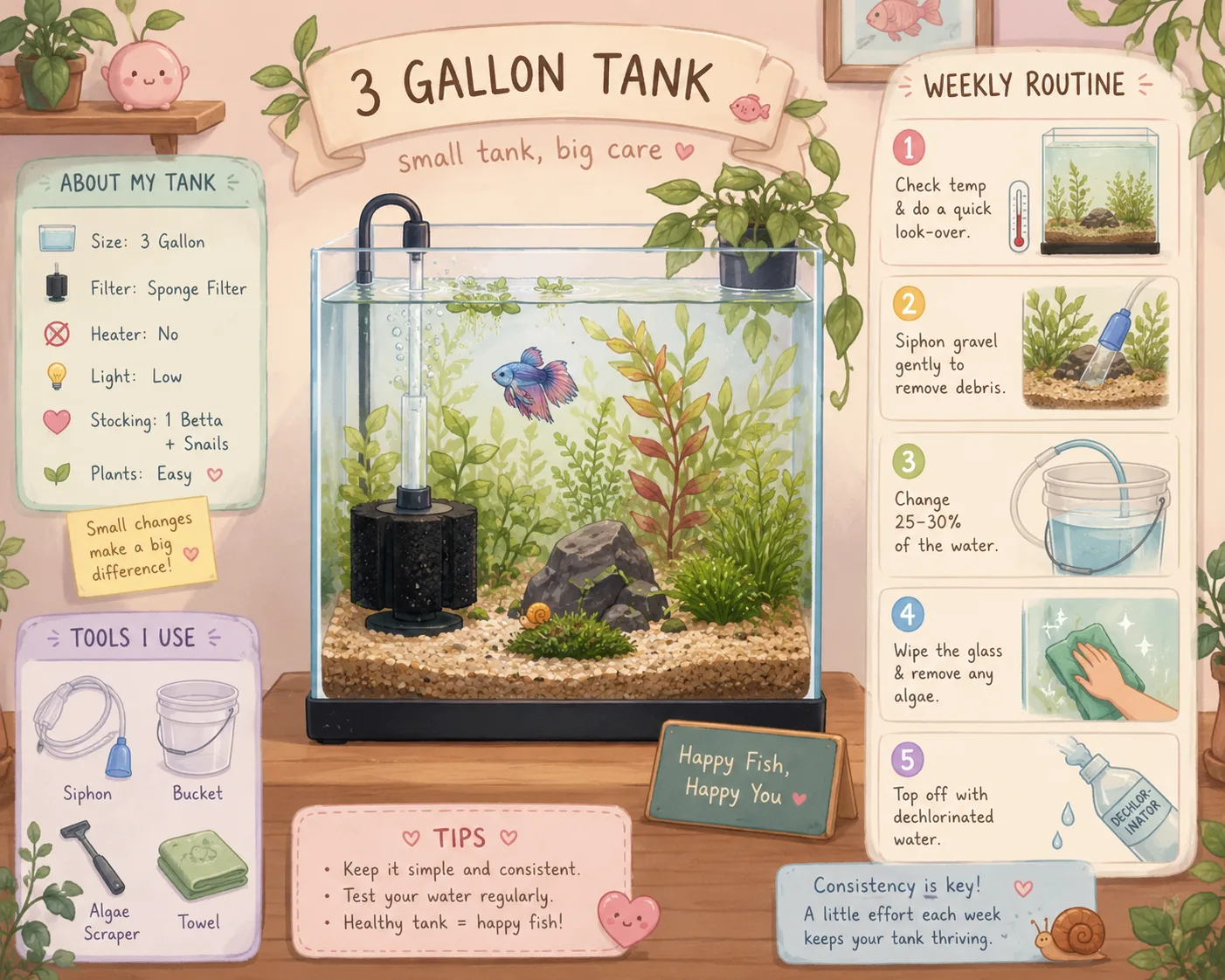
Here’s how to make your 3 gallon tank as healthy as possible:
- Cycle the tank before adding anything
- Add live plants like Java Moss or Anubias (they help water quality)
- Use stable substrate
- Maintain consistent lighting and temperature
Temperature swings are more dramatic in small tanks, so a heater and thermometer are often essential.
Conclusion
A 3 gallon tank is beautiful and fun, but it’s also challenging and highly limited. Most fish species; even small ones; are better off in tanks of 5 gallons or more. If you must keep something in a 3 gallon, focus on low bioload, solitary, or invertebrate species like shrimp and snails, or cautiously a single Betta with frequent maintenance.
Your goal should always be ethical, healthy care rather than cramming fish into a space that may harm them.
Must Check: How To Get The Smell Of Skunk Off Your Dog Fast
FAQs
1. Can you keep fish in a 3 gallon tank?
Yes, but only a few species with careful management; most hobbyists recommend shrimp and small snails instead.
2. How often should water be changed in a 3 gallon tank?
Frequent partial water changes; at least 25–50% twice a week; are crucial due to rapid waste buildup.
3. Can schooling fish survive in a 3 gallon aquarium?
No, most schooling fish need groups and space to swim, which a 3 gallon simply doesn’t provide.
4. What’s a better alternative to fish in a 3 gallon tank?
Shrimp like cherry shrimp or nerite snails; they’re low bioload and thriving nano tank choices.
5. Is it ethical to keep a Betta in a 3 gallon tank?
It’s possible but marginal; most aquarists recommend at least 5 gallons for a Betta’s well-being.